KEEPING UP WITH HARRY STYLES
Five AGITOs. Six weeks to get them ready. And a stadium-sized game of catch-up.
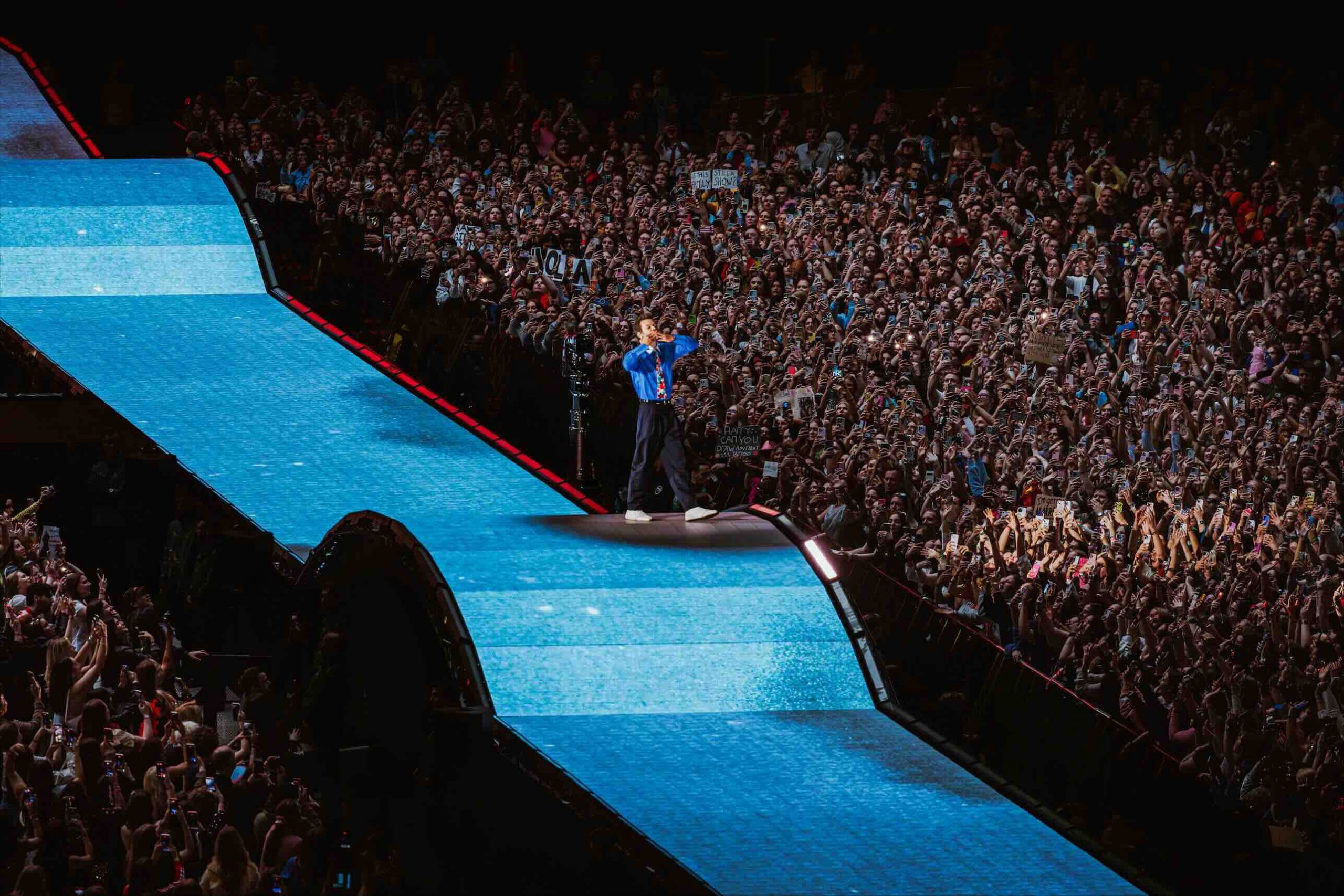
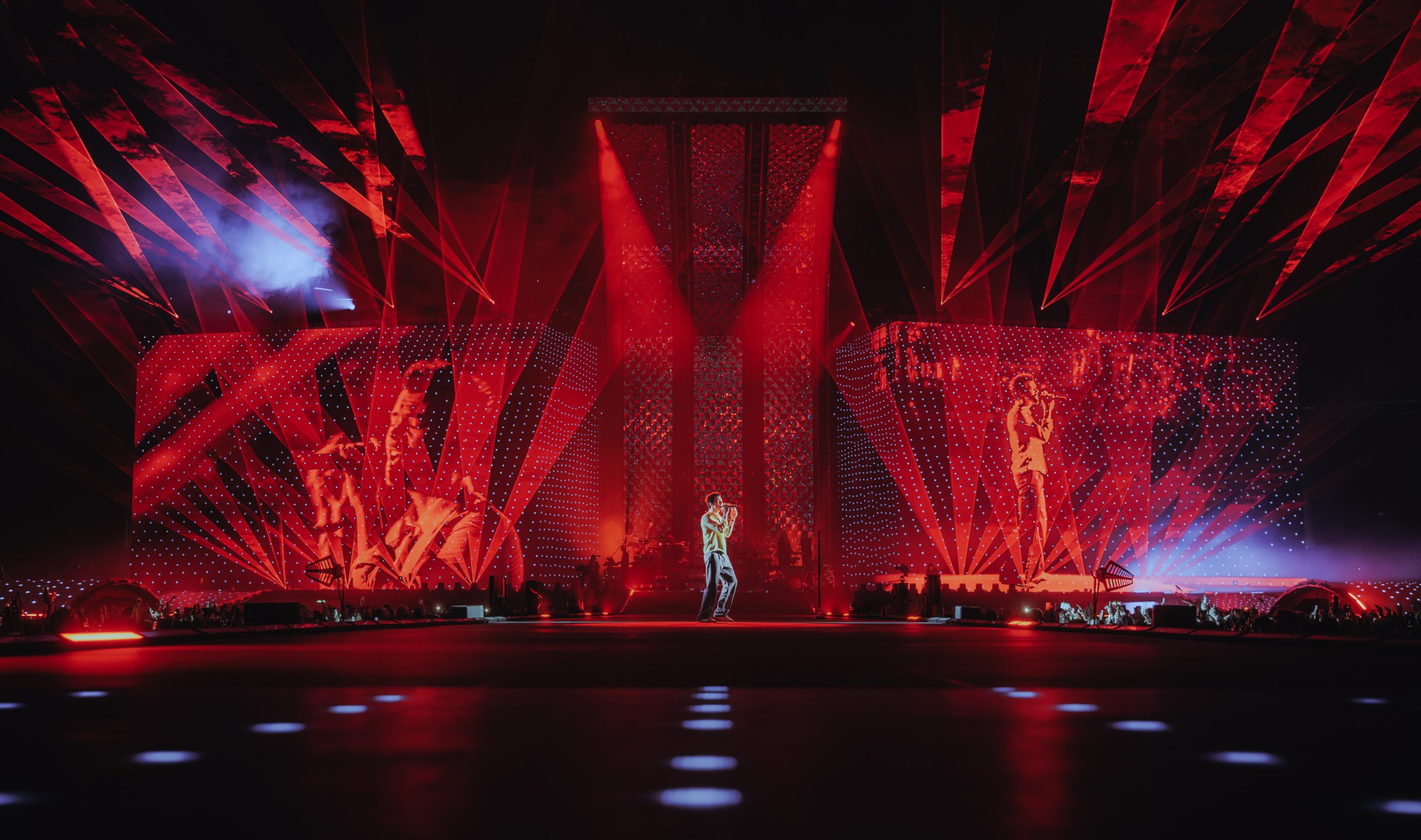
Harry Styles, it turns out, moves – a lot.
“He is an energetic performer,” says Jack Banks, one of the founders of Core Control, who was responsible for delivering the camera systems for Styles’ tour. “He’s quite a famous marathon runner, so everyone was aware that we needed to be able to match his pace – or at least keep up with him for coverage.”
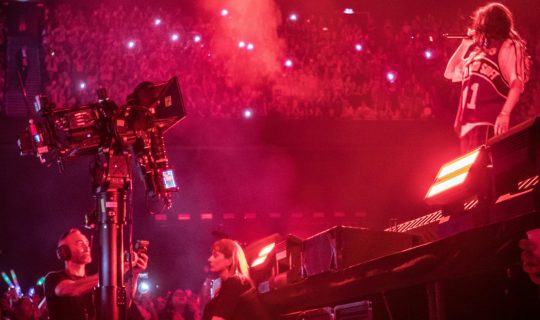
That becomes a bigger challenge when the stage is enormous, the audience numbers measured in tens of thousands and the cameras feeding the IMAG need to find him wherever he happens to be.
“Practically, you need a lot of positions and cameras that can move in order to get coverage,” explains Banks.
The show’s director, Ant Barrett, had his work cut out. Styles’ rather respectable marathon PB was hardly going to make things easier. Using Barrett’s camera plot as a starting point, C
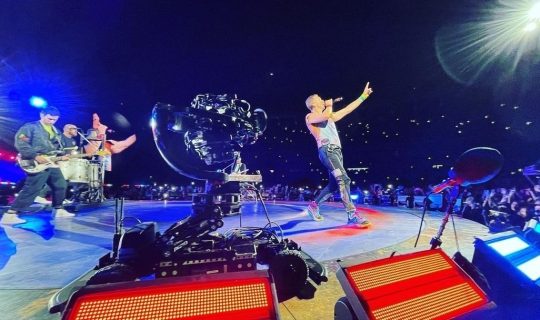
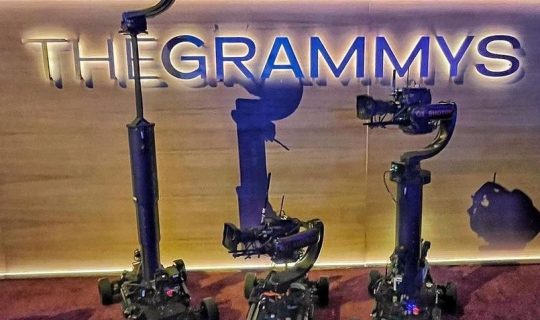
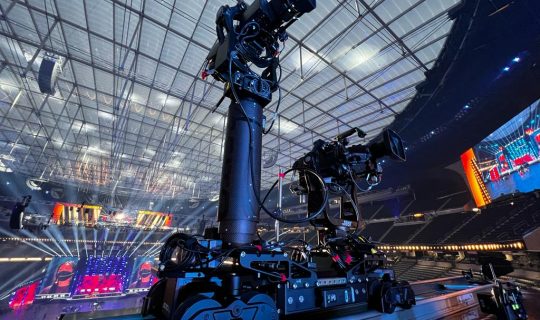
ore Control specified and supplied the camera systems, with Motion Impossible (MI) providing five AGITO Trax systems and helping integrate them with Mo-Sys L20 remote heads and Egripment Starcam S columns with HotHeads Mk3.
Different systems, from different manufacturers, brought together around one seemingly straightforward brief: keep up.
LET THE CREATIVE LEAD IT
For all the robotics involved, Banks is refreshingly uninterested in using technology simply because it looks cool.
“You’ve got to let the creative lead it,” he says. “Where I see these things struggle is when they’re used for technology’s sake.”
In other words, the starting point wasn’t where can we put a robot? It was what does the director need to see – and what’s the best way of getting that shot?
It’s an approach that becomes particularly relevant as IMAG grows more ambitious. The cameras aren’t just there to make the artist visible to someone at the back of a stadium; the pictures on the screens are increasingly part of the performance itself.
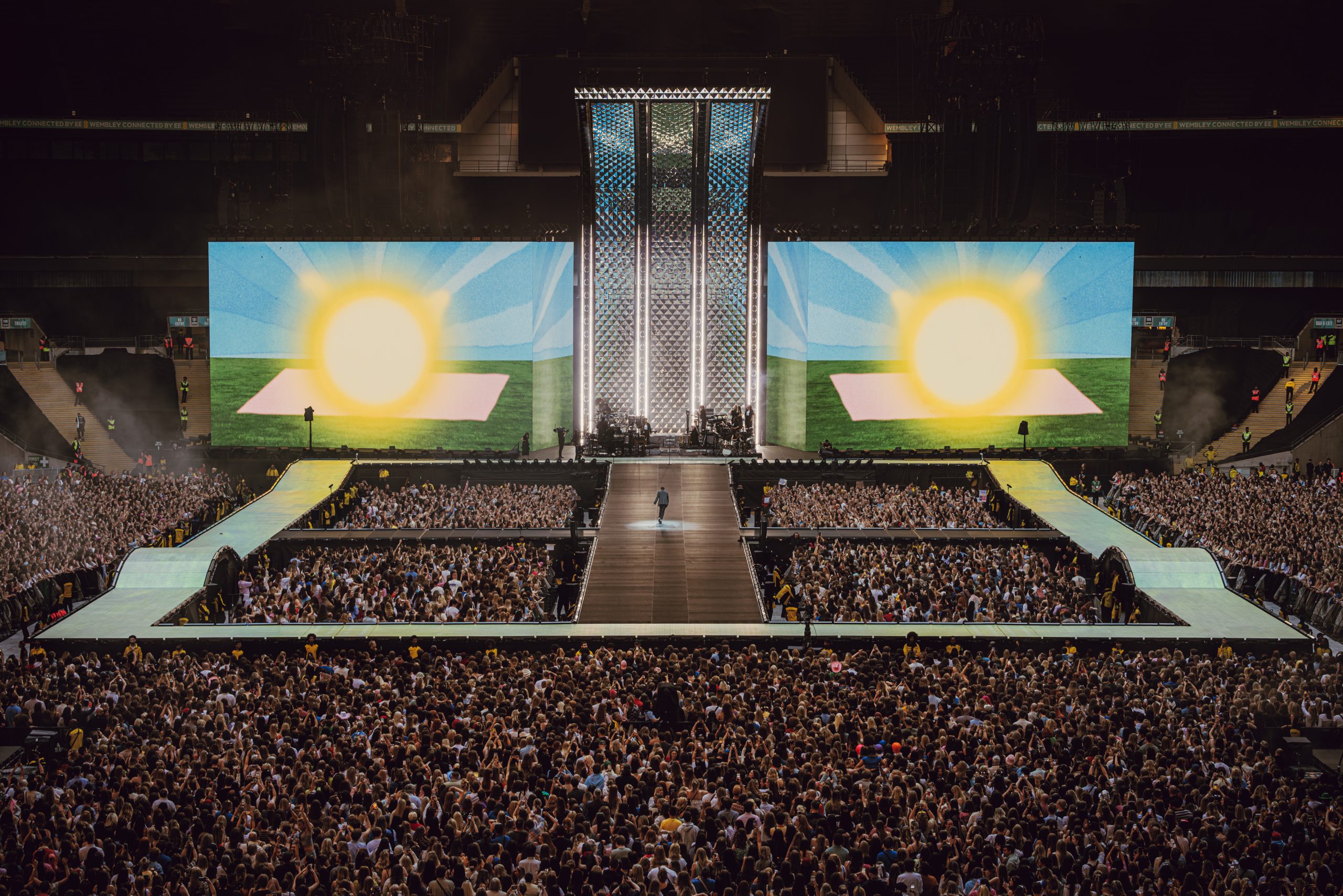
On Styles’ tour, AGITO gave the production long, remotely operated camera positions along the stage – the kind of coverage needed for a performer who rarely stayed in one place.
And that had benefits beyond the pictures.
GIVING SPACE BACK
Manually operated track and dolly systems require an operator alongside the camera, as well as platforms and room to manoeuvre. That means pushing barriers further into the crowd, increasing the overall footprint.
In a stadium, that space can make a huge difference.
“If you can buy that space back, it’s better all round. Having a smaller distance between the stage and the crowd is a huge benefit for the artist and the fans,” says Banks. “It’s also great for security as they have a cleaner space to operate in, and it’s fantastic for the promoter as, simply put, more floor space, more tickets!”
It means the value of robotics isn’t necessarily limited to the shots it can produce.
“When you tag it into all the additional benefits you get from it, it’s not just that you get nice shots,” says Banks. “You get a little bit more floor space. You get a better connection of the audience to the artist.”
THE RIGHT TOOLS FOR THE JOB
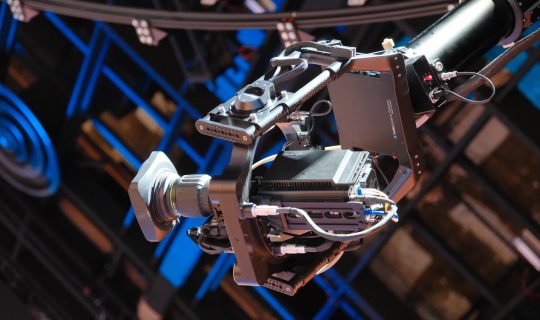
MagTrax was considered for the tour, but Trax ultimately made more sense. The Mo-Sys L20s are non-stabilised, two-axis heads, so rails gave them the stable platform they needed. Small and quick, the L20s can move at up to 360 degrees per second – useful when the person in front of them has a habit of racing from one side of the stage to the other.
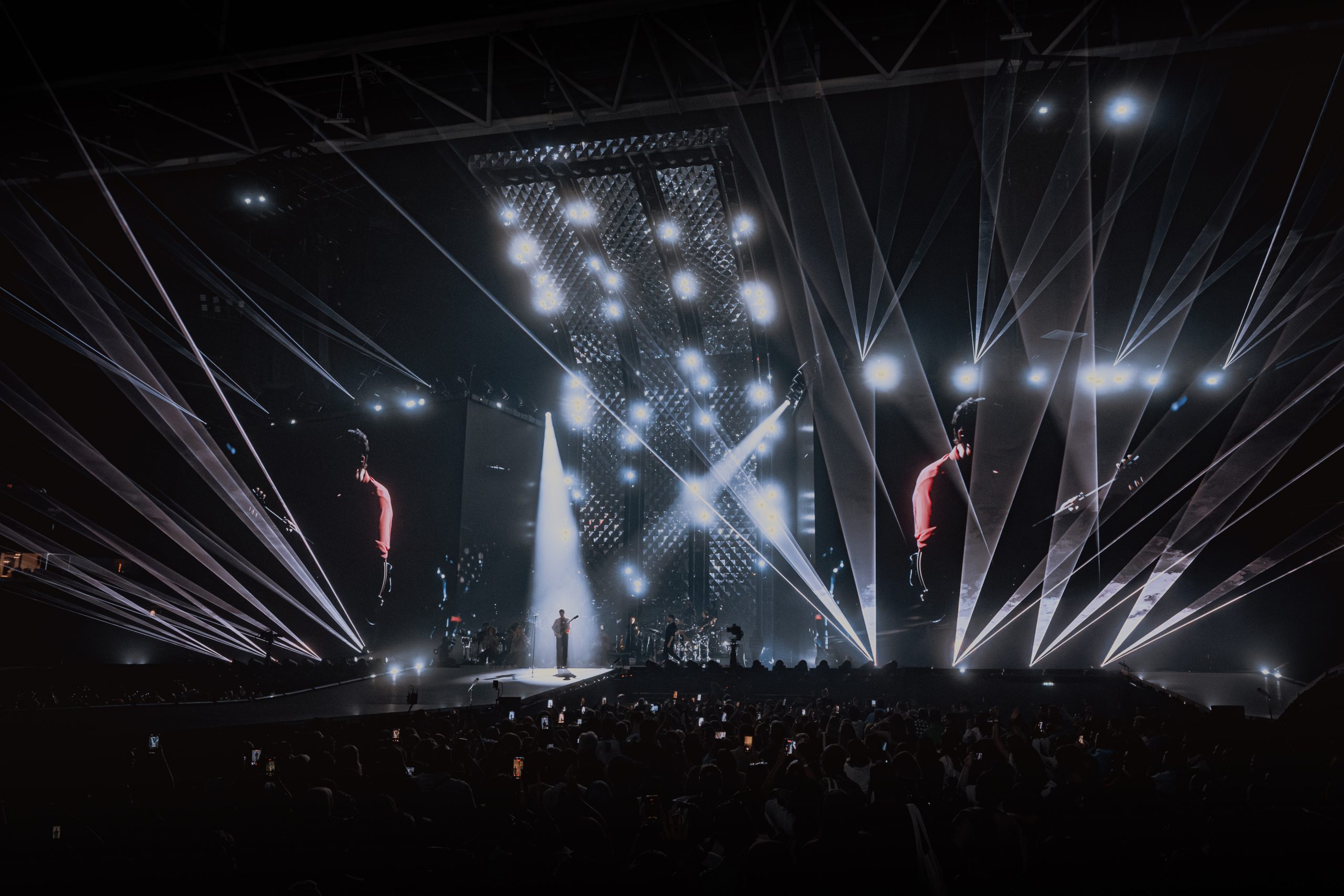
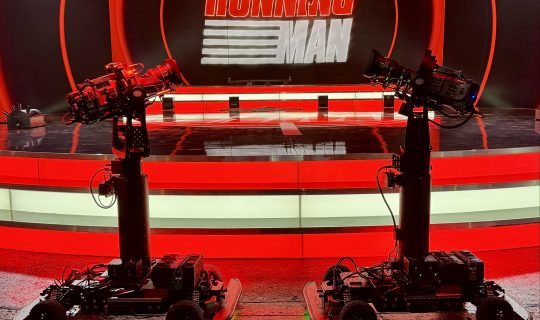
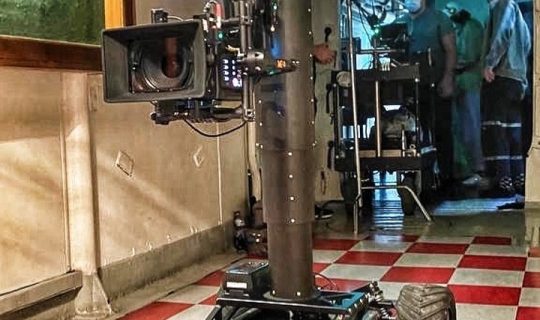
Underneath, Trax provided a controlled, repeatable path along the stage, with encoded traction control keeping movement accurate and split wheels keeping it quiet.
AGITO’s modular design meant the platform could accommodate different combinations of camera equipment. Egripment Starcam S columns added vertical movement, allowing cameras to rise and fall as required, while the HotHeads gave operators smooth remote control across pan and tilt at a wide range of speeds.
For MI, the job went beyond supplying the AGITOs. The team worked closely with Core Control to integrate the different systems and get them ready for life on the road.
And there wasn’t a great deal of time to do it.
SIX WEEKS
From confirmation to delivery, MI had less than six weeks to manufacture and prepare the five AGITO systems.
“It was a little intense,” jokes Banks.
MI initially supplied one AGITO Gen 2 alongside four Gen 1 systems, giving Core Control what it needed while the remaining Gen 2s were built. The new systems were then put through rigorous testing before being swapped in, without disrupting the production.
Because this wasn’t a camera system being installed once and left alone. It had to tour.
PACK IT. TRUCK IT. DO IT AGAIN.
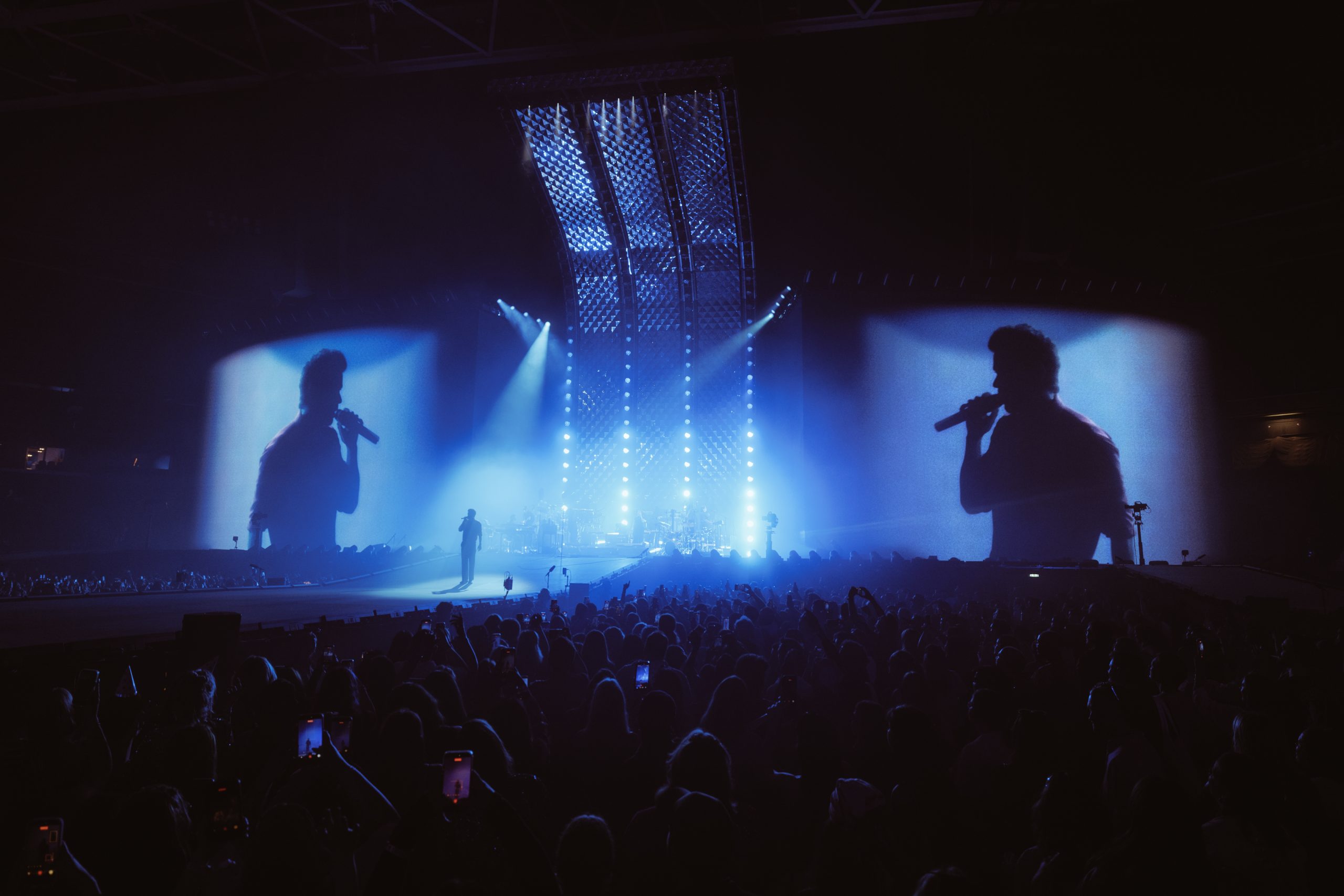 Touring has an unforgiving way of testing whether something has really been designed to work.
Equipment is packed, transported, unloaded and set up again before the whole process starts over somewhere else. The cleverest camera system in the world isn’t much use if it requires hours of setup every time it comes off the truck.
“What you’re looking for is a repeatable, reliable product that you can deploy really quickly,” he says, “with minimal daily maintenance.”
And then there was the weather. At Wembley, the AGITOs were operating in the kind of heat Britain isn’t exactly known for, with temperatures approaching 40°C. In Mexico, they had rather the opposite problem.
“It’d been absolutely buckets of water,” says Banks. “Hail, knee-deep in water sometimes just before the show started.”
The show, of course, went on.
“You need all this coverage, you’ve got a large space to cover, you need cameras that move – but you also need systems that can work in any conditions.”
And there were plenty of shows to get through. Styles’ 12 nights at Wembley this summer set a record for the longest single-run residency by a musician at the stadium. From there, the tour headed to Madison Square Garden for a further 30 shows between August and October.
At that scale, Banks’ less glamorous requirements – repeatable, reliable, quick to deploy – start to make rather more sense. The pictures can be exciting. The infrastructure behind them shouldn’t be.
Images courtesy of Core Control.

BEHIND THE PRODUCTION

Precise and repeatable camera movement on track, with the flexibility to integrate remote heads, lifters and other production technology. Suited to studio installations and demanding live productions.

Bespoke production solutions combining camera robotics, specialist technology and expertise. From creative consultancy and equipment sales to system design, integration and support.