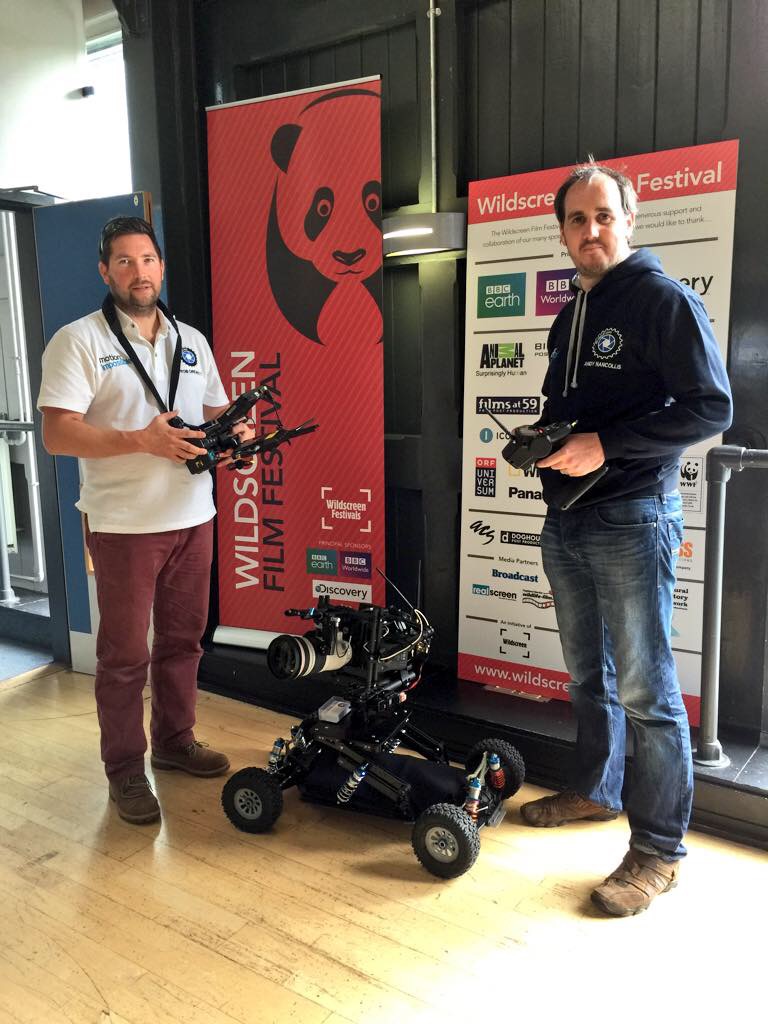
Our first major project took us from peacocks
to cheetahs. Built for the BBC Natural History Unit,
Buggycam was a high-speed remote camera platform
designed to track big cats at full speed.
OUR STORY.
BUILT BY ASKING BETTER QUESTIONS.
Motion Impossible began with a problem that needed solving. More than a decade later, the problems have changed, but the way we approach them hasn’t.
IT STARTED WITH A PEACOCK
Before Motion Impossible existed, co-founder and CEO Rob Drewett was a wildlife cameraman looking for better ways to get cameras closer to the action.
While filming on a long lens, Rob found himself waiting for a particularly uncooperative peacock that wouldn’t come close enough. So, he had an idea: what if, instead of waiting for the subject, the camera could go to it?
That led him to product design engineer and RC enthusiast Andy Nancollis, now MI’s co-founder and COO. Together, they put a stabilised camera on a remote-controlled vehicle and BuggyCam was born.
It set the direction for everything that followed: start with the problem, then work out a better way to solve it.
THEN THINGS GOT FASTER
FROM ONE CAMERA RIG TO SOMETHING MUCH BIGGER
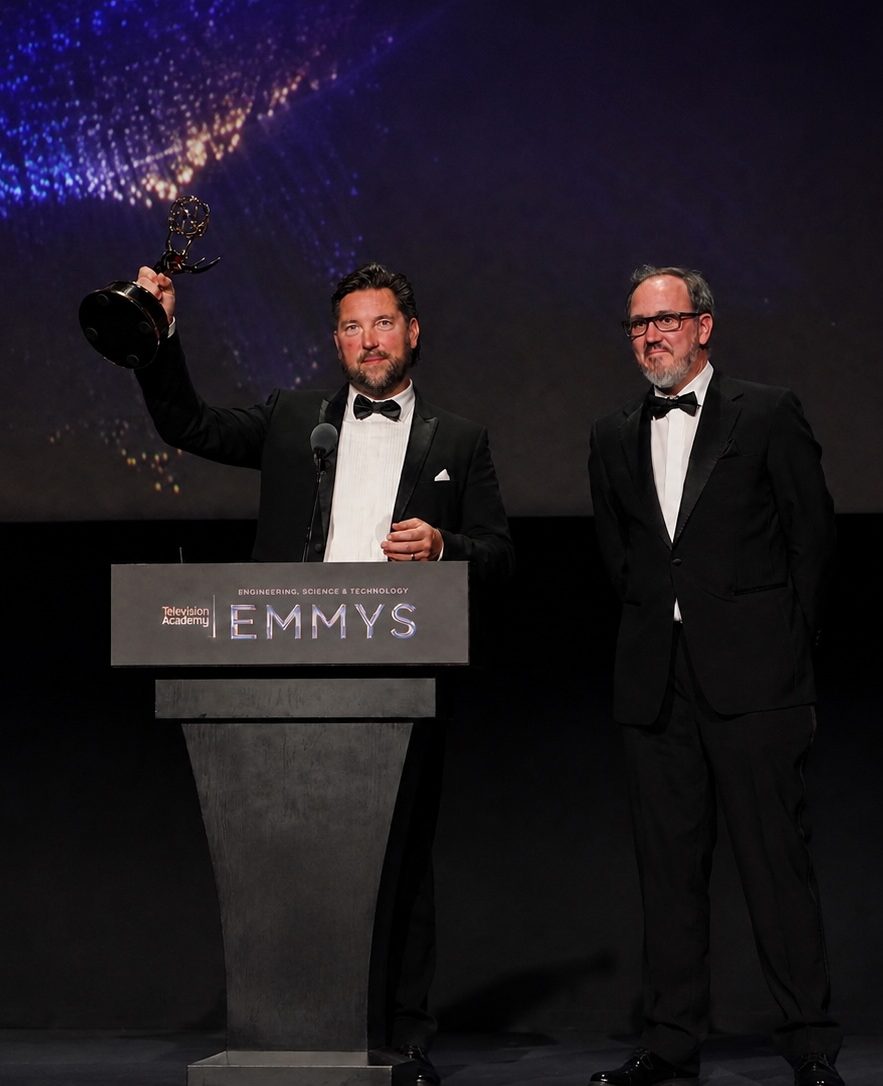
BuggyCam became Mantis (later M-Series). Then, in 2019, came AGITO – our Emmy Award-winning modular robotic dolly system, built to adapt to different shots, environments and ways of working.
Since then, we’ve kept pushing things forward. Our robotics have evolved, we’ve moved further into stabilisation, software and control, and our technology has gone far beyond natural history – used across everything from live sport, broadcast and entertainment to film and TV, virtual production and immersive experiences around the world.
But MI has evolved too.
Today, we don’t just build technology. We work out how it fits into a production, connect it with other systems and support the crews using it.
ONE MI, THREE CONNECTED AREAS
That work now sits across three parts of MI. Different areas of expertise, all built around what production needs.

BUILDING THE IMPOSSIBLE
Robotics, stabilisation and software for camera movement – shaped by feedback from the crews who use it.

TURNING IDEAS INTO REALITY
End-to-end workflow design, systems integration, sales and installation for productions of all shapes and sizes.

FROM ONE SHOW TO THE NEXT
Servicing, support, training and additional kit hire for AGITO customers working in live production.
WHERE WE’RE GOING
The challenge today isn’t a lack of technology; it’s getting all that technology to work together. That’s where we’re heading next.
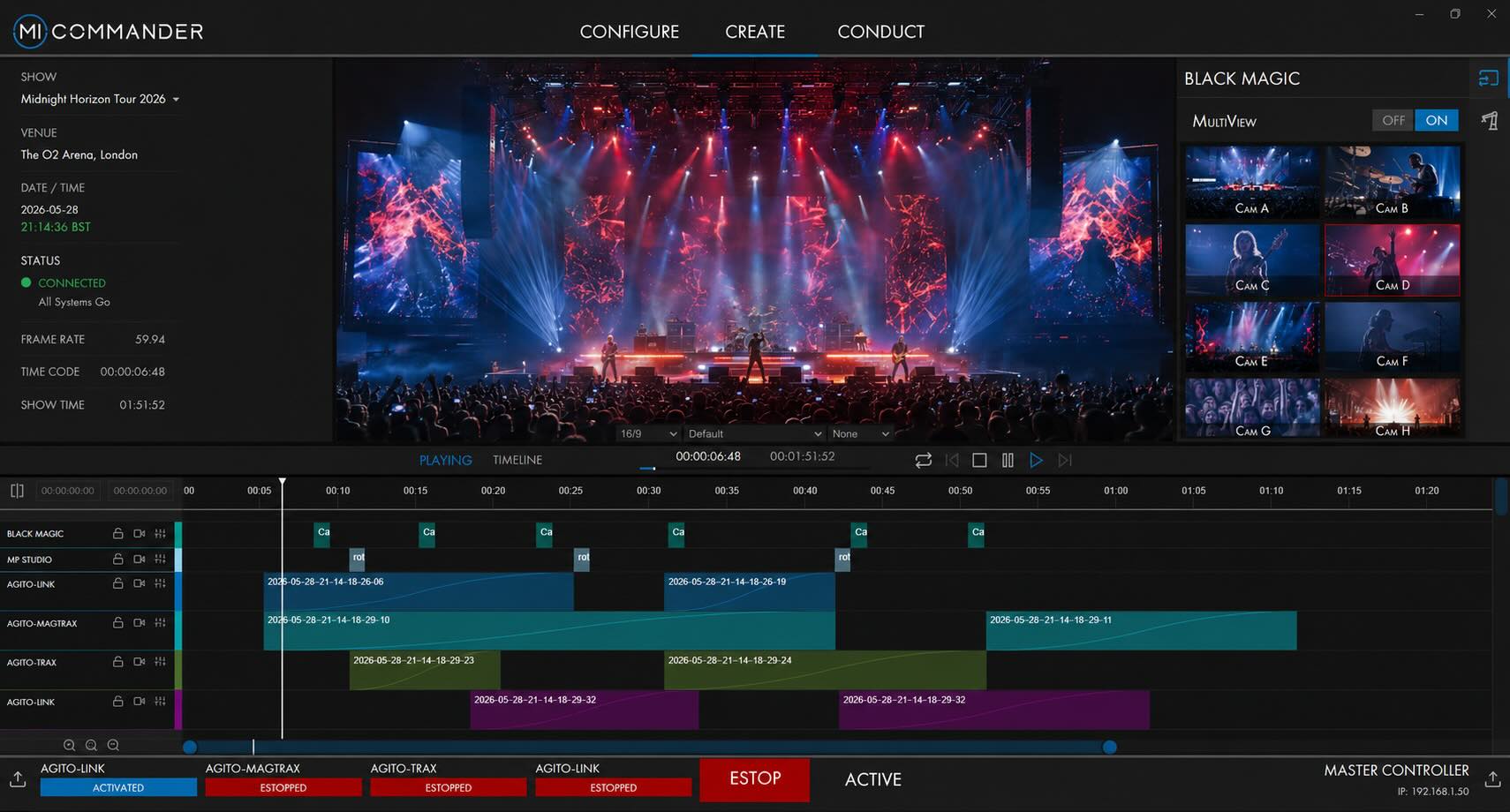
COMMANDER is one part of that – offering a common way to control and coordinate different robotics, movement technologies and production systems, regardless of who made them.
Our aim is simple: to make production technology easier to connect, control and use – giving crews more freedom to focus on the creative.
The problems might be different from the one that started MI, but the instinct is still the same: find a better way.